
Creating a relaxing home workspace is essential for maintaining productivity and well-being, especially as more people work from home. A cluttered, noisy, or uncomfortable environment can reduce focus and increase stress. By carefully designing your workspace, you can foster a calm atmosphere that encourages creativity and efficiency. This guide will walk you through practical tips to help you build a productive and relaxing home office.
Why a Relaxing Workspace Matters
Your work environment has a significant impact on your ability to concentrate and work efficiently. A relaxing workspace reduces distractions and anxiety, making it easier to complete tasks on time. When your workspace feels welcoming and peaceful, it’s easier to develop a consistent routine and maintain motivation.
Choosing the Right Location
Pick a Quiet Spot
Select a location with minimal noise and foot traffic. If your home is busy, consider areas away from common spaces like the kitchen or living room to avoid interruptions.
Natural Light Matters
Where possible, place your workspace near a window. Natural light improves mood, reduces eye strain, and helps regulate your body clock. If natural light is limited, invest in full-spectrum bulbs that mimic daylight.
Setting Up Your Workspace for Comfort and Efficiency
Invest in Ergonomic Furniture
An ergonomic chair and desk can make a huge difference. Choose a chair that supports your lower back and allows your feet to rest flat on the floor. Your desk height should let your arms rest comfortably at a right angle while typing.
Declutter and Organize
Keep only essentials on your desk to avoid distractions. Use organizers or drawers to store supplies and paperwork. A tidy space supports a tidy mind.
Add Personal Touches
Incorporate items that make you feel calm and happy, like plants, artwork, or family photos. Greenery, in particular, can reduce stress and improve air quality.
Managing Technology and Lighting
Position Your Screen Properly
Place your computer monitor at eye level to avoid neck strain. Keep a comfortable distance of about an arm’s length from your eyes.
Use Adequate Lighting
Balance task lighting with ambient light to reduce glare and eye fatigue. A desk lamp with adjustable brightness is helpful for late-night work sessions.
Minimize Noise Distractions
Consider noise-canceling headphones or soft background music if complete silence feels isolating. Some people find white noise apps helpful for maintaining focus.
Incorporating Relaxation Techniques
Take Regular Breaks
Use the Pomodoro technique or set timers to remind yourself to stand up, stretch, or walk briefly every hour. These breaks prevent burnout and improve concentration.
Create a Calm Zone Nearby
If space permits, set up a small area for relaxation, meditation, or light stretching. Having a designated spot to unwind helps reset your mind during busy days.
Maintaining Healthy Habits
Stay Hydrated and Nourished
Keep a water bottle within reach and eat balanced snacks to maintain energy levels.
Adjust Temperature and Ventilation
Ensure the room temperature is comfortable and that fresh air circulates to keep your workspace inviting.
Final Thoughts
Designing a relaxing home workspace is a powerful step toward enhancing your productivity and well-being. It involves thoughtful choices about location, furniture, organization, and environment. By customizing your space to support your needs and preferences, you’ll create an inviting place where work feels manageable and motivation flourishes. Start small, and gradually make improvements that suit your lifestyle—your future self will thank you.
Creating this balanced workspace is an investment in your daily comfort and long-term success. Take the time to explore what makes you feel calm, focused, and ready to tackle your tasks each day.
Related Posts
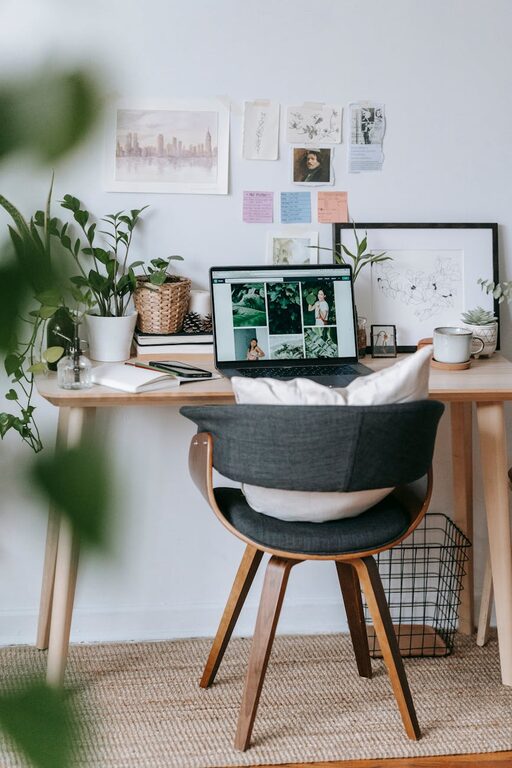
Tips for Creating a Cozy and Functional Home Office Space
Creating a home office that feels both cozy and functional…
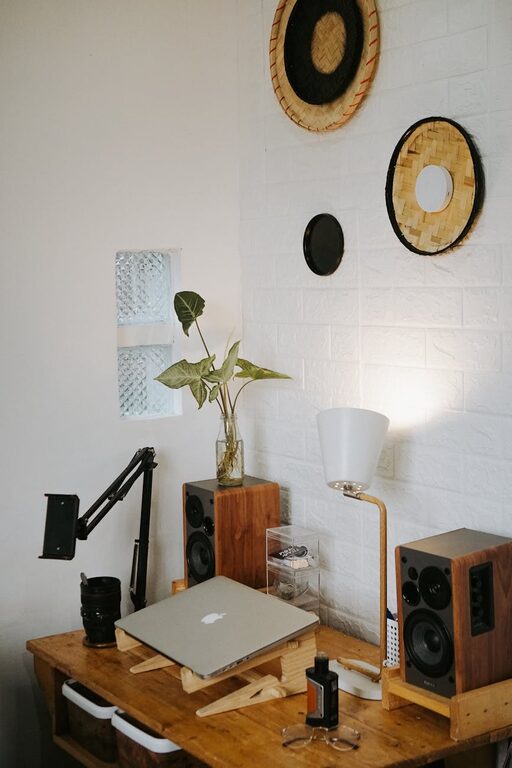
Tips for Creating a Cozy and Inviting Home Office Space
Creating a cozy and inviting home office space is more…
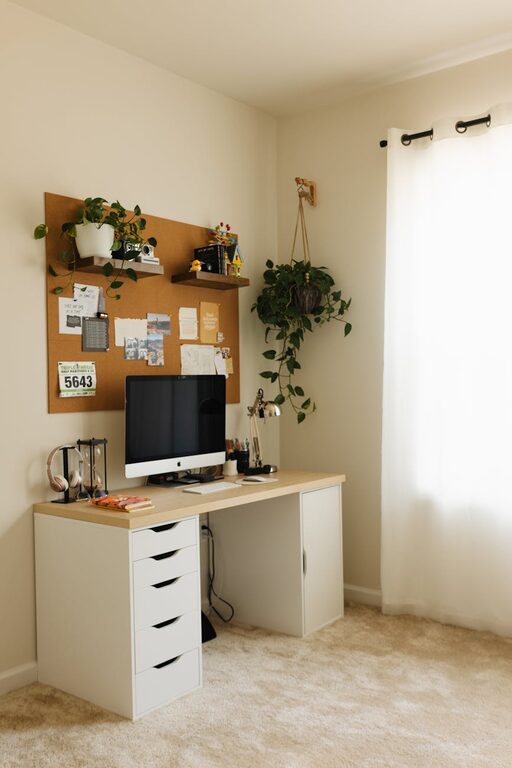
Tips for Creating a Cozy and Inviting Home Workspace
Creating a cozy and inviting home workspace is essential for…