
Creating a relaxing home workspace is essential for maintaining productivity and well-being while working remotely. A well-designed area can help you stay focused, reduce stress, and separate work from personal life. Whether you have a dedicated room or a small corner, these tips will help you create a calming and productive environment.
Choose the Right Location
Selecting the right spot for your workspace is the first step. Ideally, choose a quiet area away from high-traffic zones in your home. Natural light is a big plus, so try to position your desk near a window if possible. Good lighting can boost energy levels and reduce eye strain.
If space is limited, consider creating a flexible workspace with a foldable desk or using screens to separate your work area from living spaces.
Invest in Comfortable Furniture
Comfort plays a huge role in helping you stay productive. Invest in a good quality ergonomic chair that supports your back and promotes proper posture. Your desk should be at a height that allows your arms to rest comfortably while typing.
Adding a footrest or a cushion can also improve comfort. Remember, spending long hours sitting or standing in one position can lead to fatigue, so comfort is key.
Keep It Organized and Clutter-Free
An organized workspace minimizes distractions and helps you focus better. Use shelves, drawers, or desk organizers to keep your supplies tidy. Regularly declutter your desk by removing unnecessary items.
A clean space not only looks inviting but can also create a sense of calm and control.
Personalize Without Overdoing It
Adding personal touches can make your workspace more inviting. Consider including a few photos, artwork, or plants. Plants, in particular, can improve air quality and create a soothing atmosphere.
However, avoid overcrowding your desk with too many decorations, as they might become distractions.
Control Noise and Distractions
Noise can be a major distraction. If background sounds bother you, try noise-cancelling headphones or play soft instrumental music to maintain focus. Communicate your working hours to family or housemates to reduce interruptions.
Using a white noise machine or apps can also help mask distracting sounds.
Optimize Lighting
Proper lighting reduces eye strain and keeps you alert. Aim for a balance of natural and artificial light. If natural light is limited, invest in a quality desk lamp with adjustable brightness and color temperature.
Avoid harsh overhead lighting or glare on your computer screen.
Maintain Good Air Quality and Comfort
Fresh air and comfortable temperature are important for your alertness and overall mood. If possible, open a window regularly to let in fresh air. Use a fan or heater to maintain a comfortable temperature.
Adding a small air purifier can enhance air quality, especially in enclosed spaces.
Set Boundaries and Routine
Even in a home setting, establishing clear boundaries can improve productivity. Set specific working hours and stick to them. Use cues like opening and closing your workspace or a dedicated ritual (e.g., a short walk, coffee) to signal the start and end of your workday.
This helps create a work-life balance and reduces burnout.
Take Breaks and Move
A relaxing workspace isn’t only about the physical environment but also how you use it. Take regular breaks to stretch or move around. Consider adding a standing desk or an adjustable desk converter to switch between sitting and standing.
Short breaks can refresh your mind and prevent fatigue.
Use Technology Wisely
Technology tools can increase efficiency but can also be distracting. Use apps or browser extensions that block distracting websites during work hours. Organize your digital workspace by decluttering your desktop and managing files systematically.
Keep cords and chargers tidy to avoid a cluttered look.
Conclusion
Creating a relaxing home workspace is a blend of comfort, organization, and personal touches. By choosing the right location, investing in ergonomic furniture, managing lighting and noise, and setting clear boundaries, you can build an environment that supports your productivity and well-being.
Remember, small changes can make a big difference. Start with one or two tips and gradually adjust your space until it feels just right for you. Your workday will be more enjoyable and productive as a result.
Related Posts
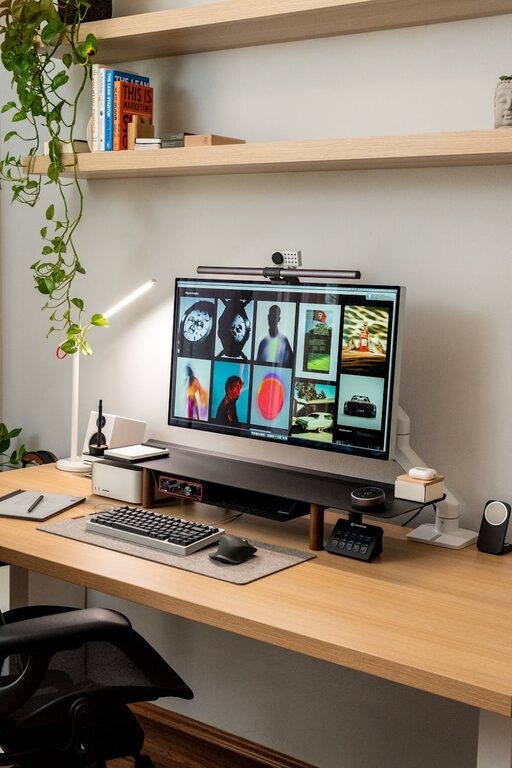
Tips for Creating a Cozy and Productive Home Office Space
Creating a home office that is both cozy and productive…
Tips for Creating a Relaxing Home Workspace to Boost Productivity
Creating a relaxing home workspace is essential for maintaining productivity…
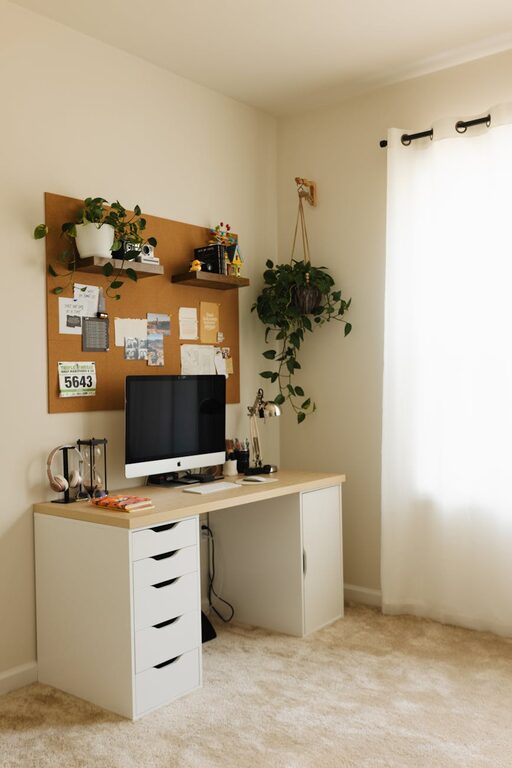
Tips for Creating a Cozy and Productive Home Office Space
Creating a home office space that balances coziness with productivity…